
The Language of Black Woman Hairstyles
For a lot of Black girls, hairstyles have been the unofficial markers of childhood milestones.
Once I was rising up in Nineteen Nineties New York Metropolis, bobos and barrettes have been firmly in “little lady” territory. My mother took that accountability severely. She traveled all around the metropolis gathering them in each shade conceivable. We had the entire rainbow, plus clear and metallic bobos with matching barrettes. She saved them organized by shade in sandwich luggage saved inside an outdated get together ice cream pail. For particular events—church, household occasions—I had huge lace or satin bows. When my hair wasn’t in bobos, it was in cornrows or plaits with beads, completed with a tiny wad of aluminum foil on the ends to maintain them from sliding off. These kinds have been childhood. By the point many people reached the later years of elementary college, one thing shifted.
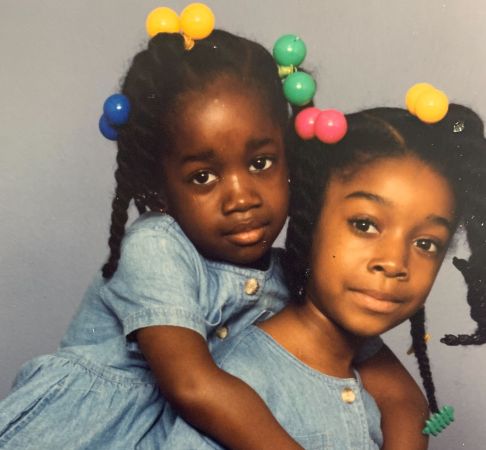
For millennials, one of many first indicators of rising up was being allowed to put on our hair “out” in some capability. I keep in mind my buddy from church and I celebrating the primary time we have been allowed to put on Shirley Temple curls for a gospel live performance. It felt monumental! Curler units, blowouts, and finally relaxers have been thought-about “huge lady” hairstyles. Women who stayed pure typically transitioned to mini twists or twist-outs, although we didn’t have the unifying names for these kinds but.
By fourth and fifth grade, Fulani braids or flat twists with flexi-rod curls within the again have been in style. We experimented with the futuristic appears we noticed on TV characters like Zaria Peterson from The Mother or father ’Hood or Tia and Tamera on Sister, Sister. We parted our hair in zigzags for pigtails, caught chopsticks in buns, and coated all the pieces in butterfly clips. Getting into double digits felt like a milestone. Because the older sister in my very own family, there was no manner I wished to put on my hair precisely like my youthful sibling as soon as I hit double digits. Being ten or eleven meant you have been a pre-teen, and women wished that transition mirrored in how they appeared.
The Tween Tradition We Used to Have
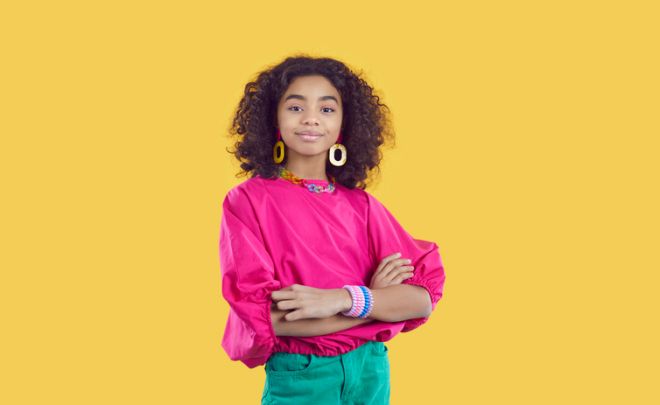
A part of what made that transition simpler was the tradition surrounding us.
Millennials grew up throughout a time when tween tradition was all over the place. On tv, we noticed women navigating that awkward in-between stage—too outdated for dolls and handclapping video games however too younger for severe boyfriends or full faces of make-up.
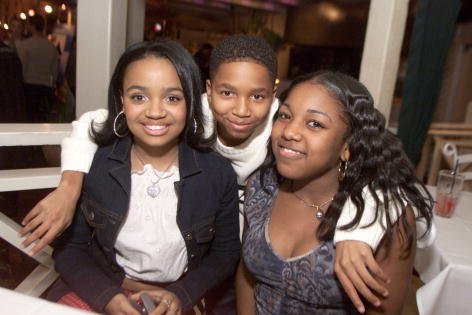
Black teen function fashions didn’t current tween characters as overly mature. On early seasons of exhibits like Sister, Sister and Moesha, the women appeared cute, modern, and coated up. Their hairstyles have been enjoyable and experimental with out being sexualized.By the point we have been approaching our teenagers, we had Black teen idols like Raven-Symoné, Kyla Pratt, Giovannie Samuels, Andrea Lewis. Even when the icons weren’t Black, they nonetheless occupied that cultural area. Mary-Kate and Ashley Olsen virtually constructed an empire instructing women the best way to gown, decorate, and exist in that center floor between childhood and teenage years. These figures gave women public permission to nonetheless be youngsters. They confirmed us that it was completely high quality to nonetheless care about sleepovers, nail polish, glitter lip gloss, and matching equipment with your folks. At this time, that area feels a lot smaller.
As a former ninth-grade instructor, I noticed firsthand how rapidly childhood appears to break down now. One yr, a pupil walked into class throughout the first week of college explicitly recounting how she had hung out together with her boyfriend over the summer season. One other yr, a ninth grader casually referred to her boyfriend as “my n***a.” These moments stayed with me, not as a result of youngsters having relationships is new, however as a result of the transition felt unsettling. One thing concerning the cultural buffer that used to exist for tweens and early teenagers has eroded.
Gen Alpha is rising up in a world the place the algorithm is commonly their loudest cultural affect. Platforms like TikTok and Instagram don’t filter content material primarily based on developmental levels. A baby’s For You Web page doesn’t distinguish between grownup aesthetics and age-appropriate ones. If a younger lady searches for hair tutorials or magnificence ideas, the algorithm will feed her no matter content material performs finest—not essentially what displays her age.
And not using a robust tween tradition to mannequin what that center stage appears like, many youngsters find yourself trying to adults or celebrities far outdoors their age bracket. Even after they do have younger public figures to look at—like Blue Ivy, Shai Moss, or North West—their life aren’t precisely straightforward to copy for the common child navigating center college. When conversations come up about hairstyles like bobos, they aren’t nearly hair. They’re about identification, belonging, and determining the place a toddler suits socially.
The “Quick Little Woman” Narrative
Layered on high of all of it is a long-standing cultural nervousness inside Black communities: the concern of elevating a “quick” little lady.
Traditionally, that concern typically comes from a real place of safety. Many Black girls grew up listening to tales—or experiencing firsthand—how rapidly younger women can change into targets of grownup consideration. Someplace alongside the best way, the main target generally shifted to policing the women themselves. Nevertheless, I strongly imagine a toddler isn’t going to be quick sufficient to catch an grownup who isn’t already a predator. But in lots of circumstances, it has felt simpler to control kids’s look and habits than to confront the adults who would possibly hurt them. Particularly in earlier generations when monetary dependence, household status, and cultural silence round abuse made it troublesome to problem males instantly. That dynamic nonetheless echoes in how we speak about younger Black women immediately.
What does “too grown” even imply? The goalposts shift relying on who’s doing the policing. Unicorn braids—a whimsical model utilizing pastel-colored kanekalon—are sometimes dismissed as ‘”too grown” just because they contain extensions and shade. Including highlights to a toddler’s hair is “too grown.” Even carrying pure, lengthy Black hair down and free is often labeled “too grown.” Whereas a standard retort is, “No person says something when white women put on their lengthy hair down,” our requirements for our daughters shouldn’t hinge on what white kids do. We shouldn’t overpolice a method when it’s actually the wholesome hair that grew out of a Black lady’s head. After we unreasonably label a toddler’s pure options or inventive expressions as too grown, we’re projecting grownup anxieties onto their our bodies.
As women method puberty and their our bodies start to alter, their clothes, hairstyles, and actions are sometimes positioned underneath intense scrutiny. Encouraging modesty often facilities the male gaze. We try and keep away from upsetting predators or inflicting “a brother in Christ to stumble,” however age-appropriate expression is one thing totally different. It’s about serving to kids develop into themselves with out disgrace.
Whereas we concern the adultification of our daughters, there may be nonetheless some hurt within the compelled infantilization of Black women. After we mandate that 11- and 12-year-olds stay in hairstyles related to youthful ages to “hold them in a toddler’s place,” we’re stifling their creating autonomy. This inflexible management can create a “developmental mismatch,” the place a lady’s outward look is out of sync together with her inner cognitive and social progress. By denying them the company to graduate into “huge lady” kinds, we threat making them really feel socially alienated and ill-equipped to navigate the transitions of puberty. True safety isn’t present in freezing a toddler in time, however in guiding them by the pure, messy levels of rising up. Although the mom and daughters within the viral video shared that this isn’t a problem for them, there may be nonetheless a threat.
The Parenting Tightrope
None of that is straightforward for fogeys. Black moms specifically typically really feel great strain to protect their daughters’ innocence for so long as attainable. A part of that intuition comes from figuring out how weak many people have been rising up. Defending our women can really feel like a manner of rewriting painful histories. Within the age of social media, parenting decisions are always underneath public scrutiny.
Movies just like the viral one of many twins change into lightning rods for commentary from strangers who could not know the total story. The mom could have already confronted criticism offline—or anticipated it—earlier than posting the video. That strain is actual. Nonetheless, good intentions don’t at all times produce the healthiest outcomes. Stifling expression isn’t safety.
Kids profit from guardrails, however these guardrails shouldn’t be so restrictive that they infantilize them. Studying private model, experimenting with identification, and determining what makes them really feel assured are all a part of wholesome improvement.
Discovering the Stability
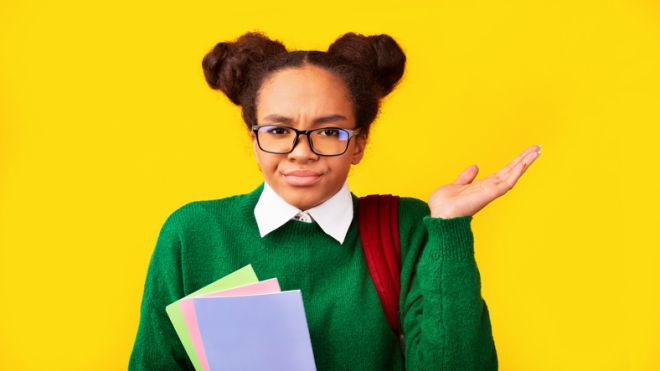
Tweenhood is the place many women first discover ways to navigate their sense of self. It’s the place friendships deepen. It’s the place they begin experimenting with style and hair alongside their friends. It’s the place they start taking note of how they transfer by the world.
When women really feel fully out of sync with their friends as a result of their look is tightly managed, it could result in self-consciousness or confusion about their very own preferences. Later, when the guardrails lastly come off, some girls battle to determine what really fits them as a result of they by no means had the prospect to discover. Hair, garments, and equipment could seem trivial to adults, however to youngsters, they’re deeply tied to belonging.
The reality is, there may be a number of area between bobos and a bussdown. A wholesome transition into womanhood for Black women means permitting exploration whereas nonetheless sustaining boundaries. It means listening when youngsters categorical how they need to present up on the planet. It means recognizing that immediately’s girlhood appears totally different from the one many people skilled.
For a lot of causes, I want tween tradition would make a stronger comeback. Children deserve areas that remember that in-between stage—whether or not by media illustration, protected social environments, or just neighborhood conversations that acknowledge their evolving identities. Finally, we are able to’t increase our children for a world that doesn’t exist anymore. Black women deserve the liberty to develop into themselves with out being compelled to decide on between staying little without end or turning into grown in a single day.
RELATED CONTENT: Tales From TikTok: Mama Don’t Play That! Tisha Tried It Sporting A Thong On ‘Being Quick In The ’90s’